
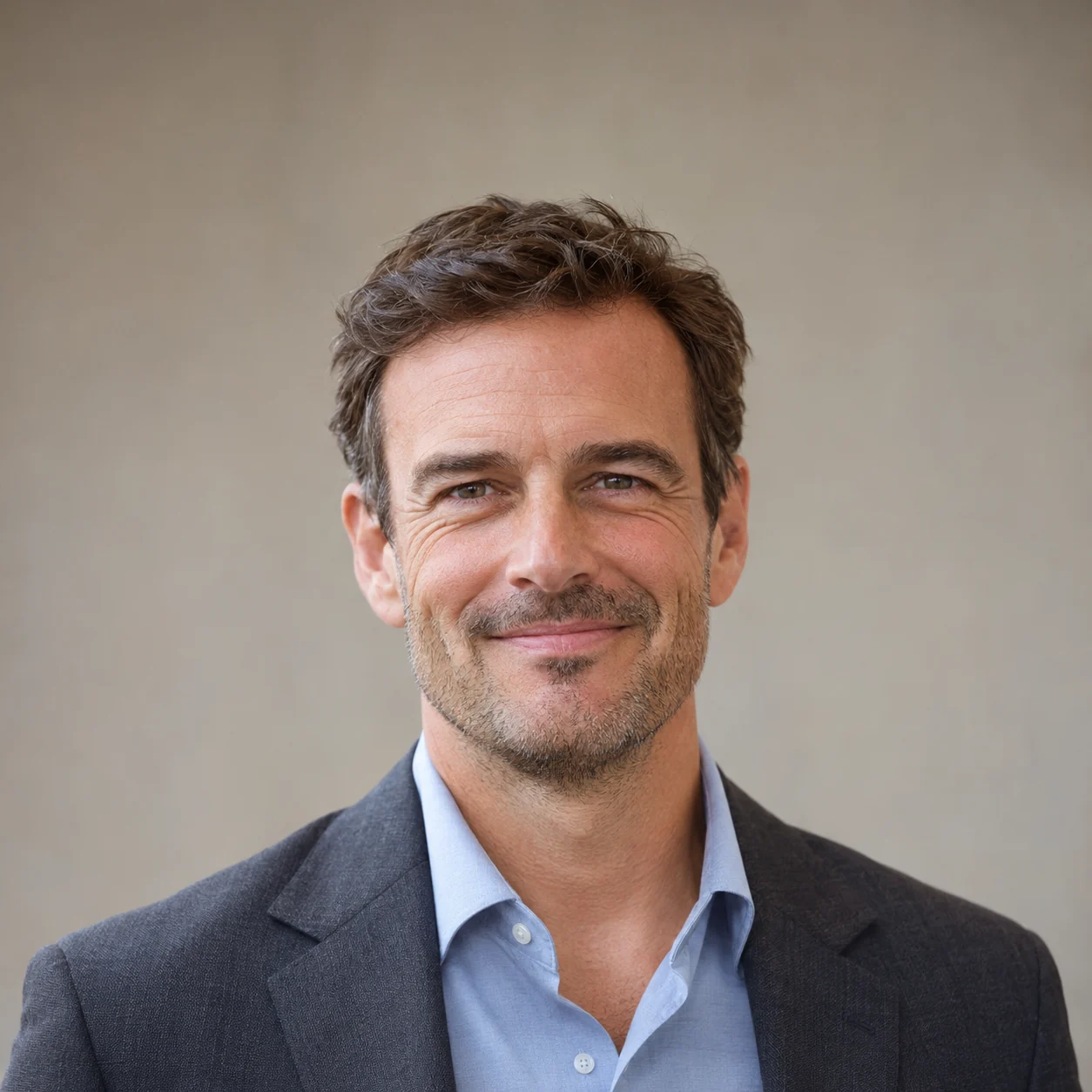
Northbridge Learning Studio in the United Kingdom is focusing its learning design on the point where a training session meets everyday work. Founder James Whitmore’s approach uses practical tasks to connect an idea with the decision, conversation or process a participant needs to handle.
Starting With A Practical Task
A learning activity begins with a recognisable workplace need rather than a large volume of presentation material. Clear goals and time to practise give participants a starting point for using what they have learned.
The focus is on what happens after a session ends. Reflection and a manageable next action are used to help carry the learning into a working day.
Using Feedback To Refine The Design
The studio looks at instructions that need further explanation, examples that participants find relevant and activities people feel ready to try. Feedback is used to identify a specific design decision that can be improved.
This approach also places responsibility on the design of an activity. Uncertainty during a session can point to the need for a clearer instruction or a more useful example.
Supporting Practice After The Session
Whitmore’s future priorities include facilitator notes, follow-up exercises and space for reflection. The intention is to make continued practice easier to fit around ordinary work.
The studio’s direction remains centred on a clear purpose and a practical next step, with feedback informing how each learning activity develops.
Design preview. Names, portraits and stories shown do not represent actual contributors. Portraits are AI-generated.